Preparing Your Trees for Winter
As the winter season approaches, it's crucial to prepare your trees for the colder months ahead. Proper winter tree care is essential for maintaining the health and vitality of your trees, ensuring they withstand harsh weather conditions. In this guide, we will cover effective tree maintenance and seasonal care tips to help your trees thrive during winter.
Why Winter Tree Care is Important
Winter can be a challenging time for trees due to extreme temperatures, heavy snowfall, and strong winds. Here are a few reasons why winter tree care is essential:
- Prevents damage from ice and snow accumulation.
- Reduces stress on trees caused by freezing temperatures.
- Enhances overall tree health and resilience.
- Minimizes pest infestations and disease outbreaks.
Key Winter Tree Care Practices
1. Pruning and Trimming
Pruning is one of the most effective ways to prepare your trees for winter. Proper pruning helps to shape the tree, remove dead or diseased branches, and enhance sunlight penetration.
- Remove any dead or weak branches.
- Trim back overgrown limbs to prevent breakage.
- Make clean cuts to avoid injury to the tree.
2. Mulching
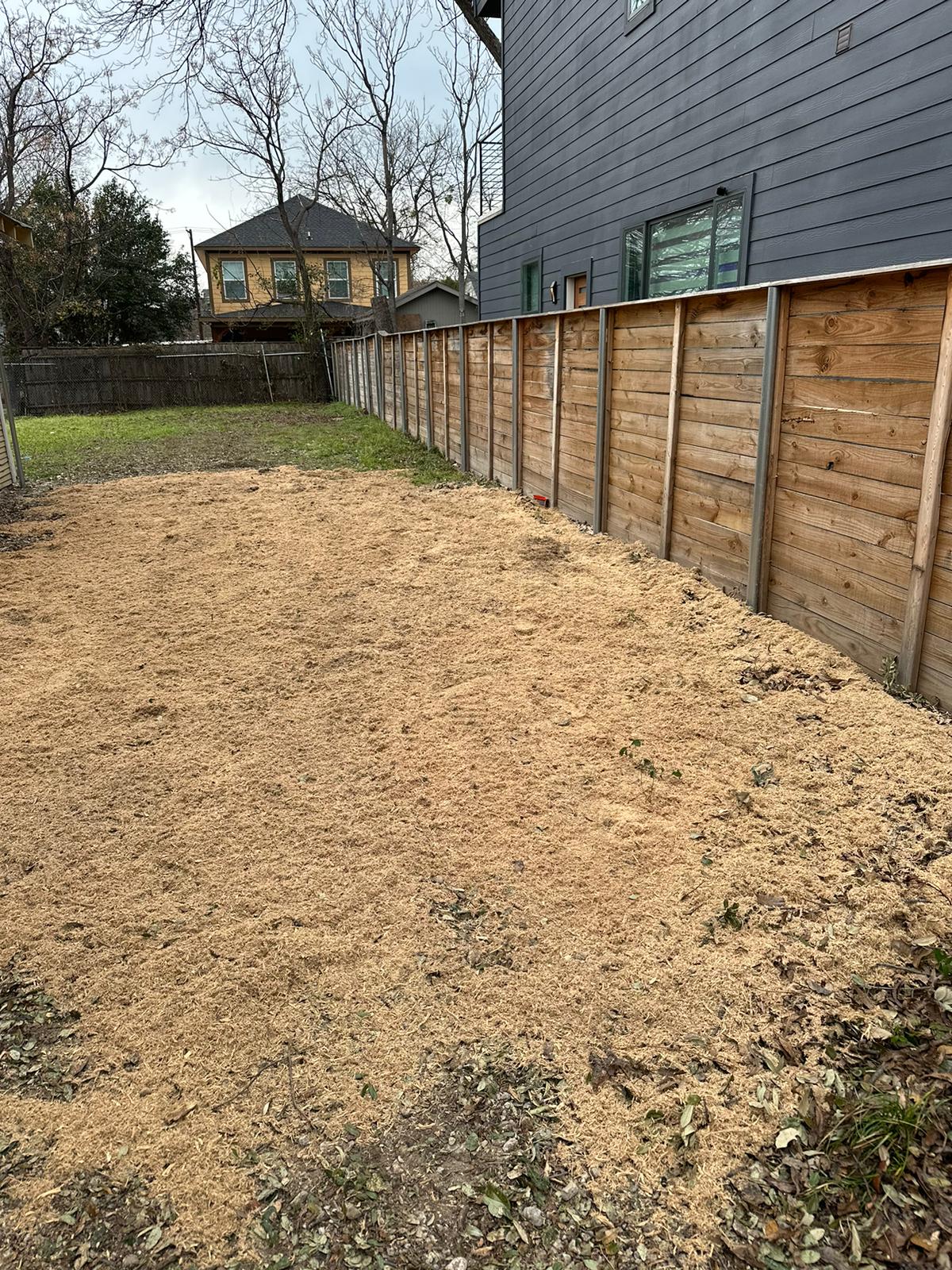
Applying mulch around the base of your trees can provide several benefits during winter. It helps regulate soil temperature and retains moisture, protecting the tree roots from freezing.
- Use organic mulch like wood chips or shredded bark.
- Apply a 2-4 inch layer around the base, avoiding direct contact with the trunk.
- Replenish mulch as needed throughout the winter.
3. Watering
Although trees may go dormant in winter, they still require adequate moisture. It's crucial to water your trees before the ground freezes to ensure they are hydrated.
- Water deeply in late fall before the first freeze.
- Check soil moisture levels regularly.
- Avoid over-watering to prevent root rot.
Protecting Trees from Winter Elements
1. Wrapping Young Trees
Young trees are particularly vulnerable to winter damage. Wrapping them in tree guards can help shield them from harsh winds and animal damage.
- Use breathable materials to prevent moisture buildup.
- Wrap the trunk to a height that protects against snow and ice.
- Remove wraps in spring to allow for growth.
2. Clearing Snow and Ice
Heavy snow and ice can cause branches to snap and damage the tree's structure. Regularly clearing snow from branches can help prevent this.
- Use a broom or a snow rake to gently remove snow.
- Avoid shaking branches, as this can cause breakage.
- Monitor trees after heavy snowfall for signs of stress.
Signs of Winter Stress in Trees
It's essential to keep an eye on your trees during the winter months. Here are some signs that your trees may be experiencing winter stress:
- Brittle or broken branches.
- Discolored leaves or bark.
- Excessive sap flow.
- Visible insect infestations.
Conclusion
Preparing your trees for winter is not just about aesthetics; it’s about ensuring their health and longevity. By following these tree maintenance tips and providing proper seasonal care, you can help your trees thrive even in the harshest winter conditions. For professional assistance, consider reaching out to experts at Best Choice Tree Services LLC to ensure your trees are well cared for during winter.